11 audited case studies

Less volume. More proof.

The library is intentionally small. Each entry distinguishes what was built, how it was evaluated, what the result means and what is not yet proven.

Filter

Showing 11 projects

01 / Hardened research demo

Gemma 4 Hackathon · 2026

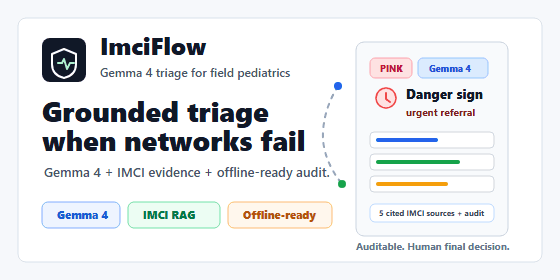
ImciFlow

LLM extraction, RAG evidence and deterministic IMCI rules in one auditable workflow.

A multilingual clinical decision-support prototype that combines Gemma 4, retrieval over IMCI references, deterministic safety rules and a human-review boundary.

3

languages

English, French and Sudanese Arabic paths

Gemma 4LangGraphFastAPIReactChroma
The evaluation does not measure real Gemma extraction quality, RAG relevance, hallucinations or clinical outcomes. Shared authentication, distributed rate limiting and encrypted durable storage remain production work. The demo must not be used for diagnosis.
Evidence case study
01020304PROFILE → RECOMMEND → VALIDATE → APPROVE
02 / Tested prototype

Applied AI engineering · 2026

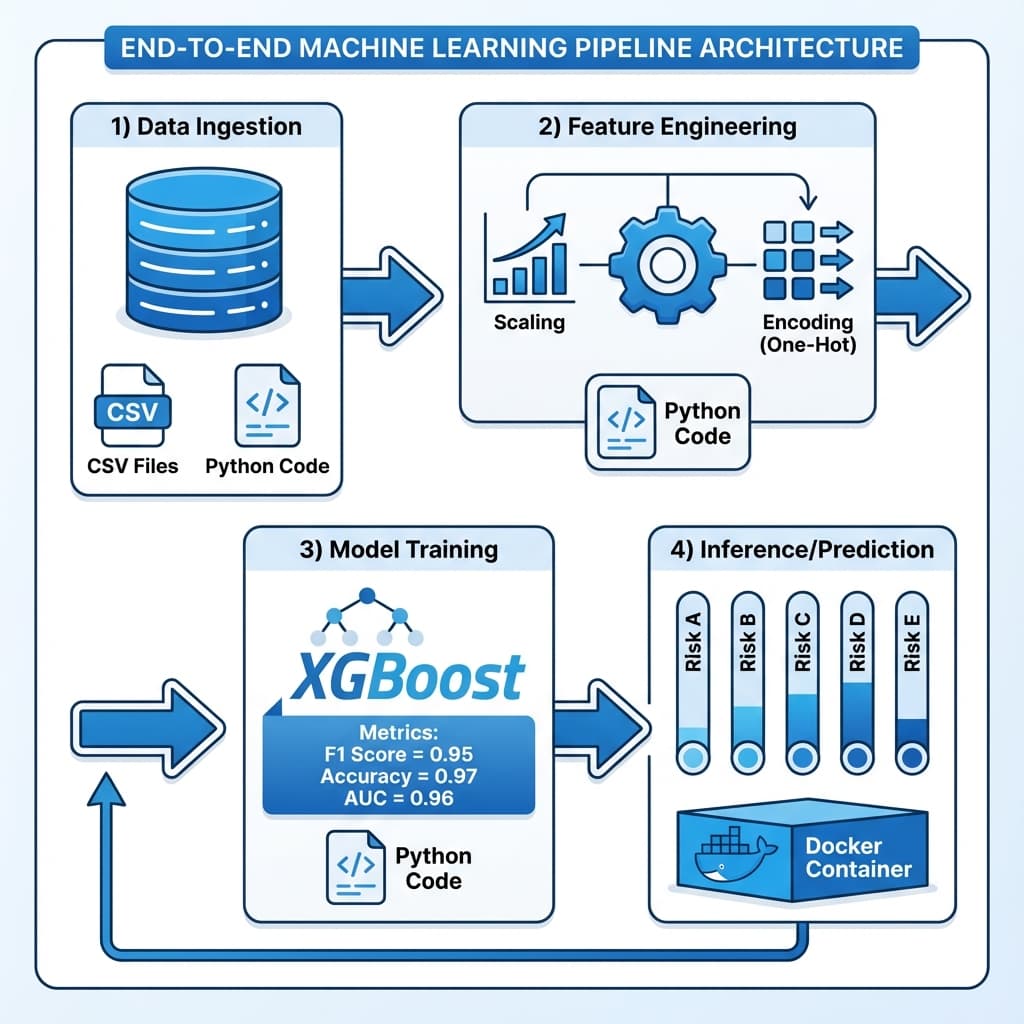
GenAI Data Prep

Deterministic data-quality checks first; LLM recommendations second.

A LangGraph workflow that profiles a dataset, proposes preprocessing decisions, validates transformations and keeps a human approval point before output generation.

84/84

tests

Deterministic tests run without a provider key

LangGraphFastAPIStreamlitPydanticOpenAI
The hardened default does not send raw rows and constrains local paths and URLs, but production use still requires explicit consent, secret governance, encrypted retention and provider monitoring.
Evidence case study
03 / Tested synthetic decision lab

Independent ML project · 2025

Credit Risk

Chronological validation, calibrated probabilities, decision cost and subgroup diagnostics.

A synthetic approval-decision laboratory that separates fit, calibration and final holdout periods, selects a cost-sensitive threshold and exposes subgroup diagnostics through reproducible reports and an API.

0.9669

ROC-AUC

Final chronological holdout of 4,000 synthetic rows

Pythonscikit-learnCalibrationFairness diagnosticsFastAPI
The data and approval mechanism are synthetic, so the system does not estimate real default risk. A 14.3-point age-band selection-rate spread is disclosed as a risk requiring contextual investigation, not proof of fairness.
Evidence case study
04 / Live demo · Public source

Paris-Dauphine · 2025

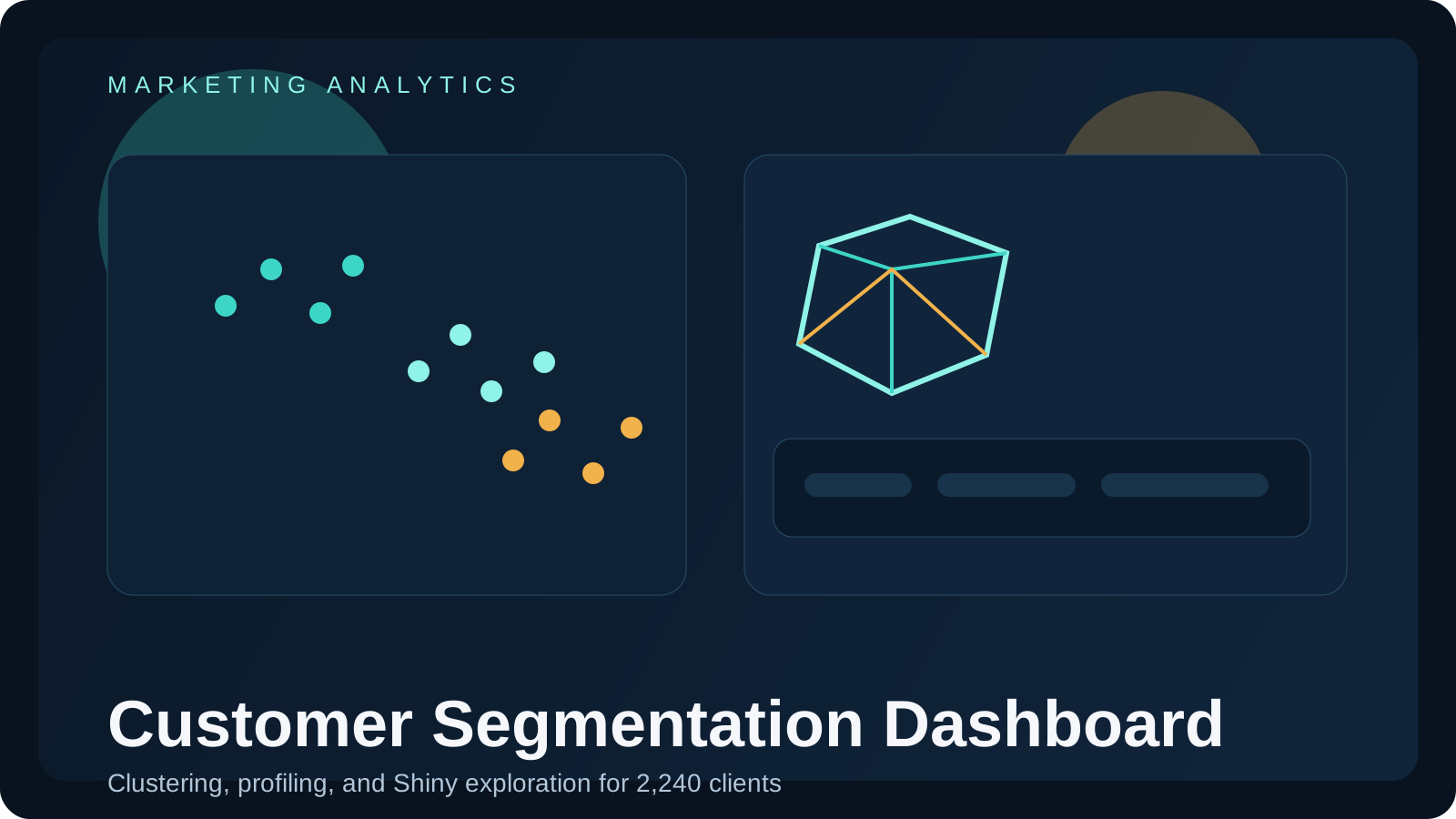
Segmentation

From clustering diagnostics to an interface a marketing team can actually explore.

An R/Shiny product that compares unsupervised methods, profiles four customer groups and makes the assumptions and cluster diagnostics inspectable.

2,240

customers

Behavioral and demographic observations

RShinyK-meansCAHGMM
The segments have not yet been validated through campaign uplift, temporal stability or out-of-sample assignment. They support exploration, not causal targeting claims.
Evidence case study
05 / Tested public repository

Independent quantitative engineering · 2026

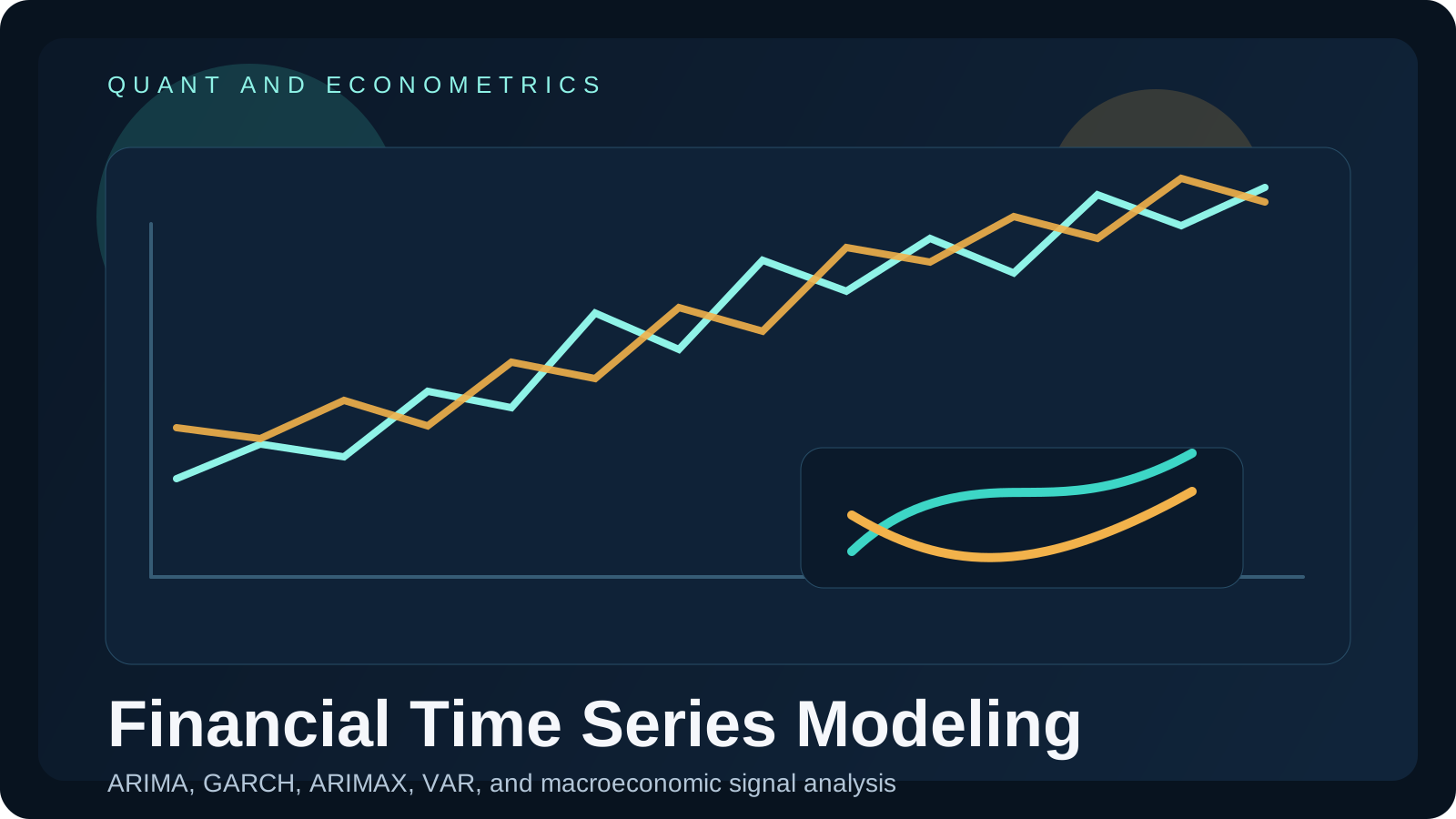
Time Series

Rolling volatility and VaR forecasts built without looking into the future.

A tested Python system for validated prices, return modelling, rolling volatility, Value-at-Risk and exception backtesting, with synthetic data and a provenance-aware download path.

4/4

tests

Core numerical and data-contract checks

PythonGARCHValue-at-RiskBacktestingFastAPI
Coverage frequency alone does not test independence or tail severity. The project has no trading policy, liquidity model, transaction costs, stress programme or live monitoring.
Evidence case study
06 / Tested public repository

Paris-Dauphine · 2025

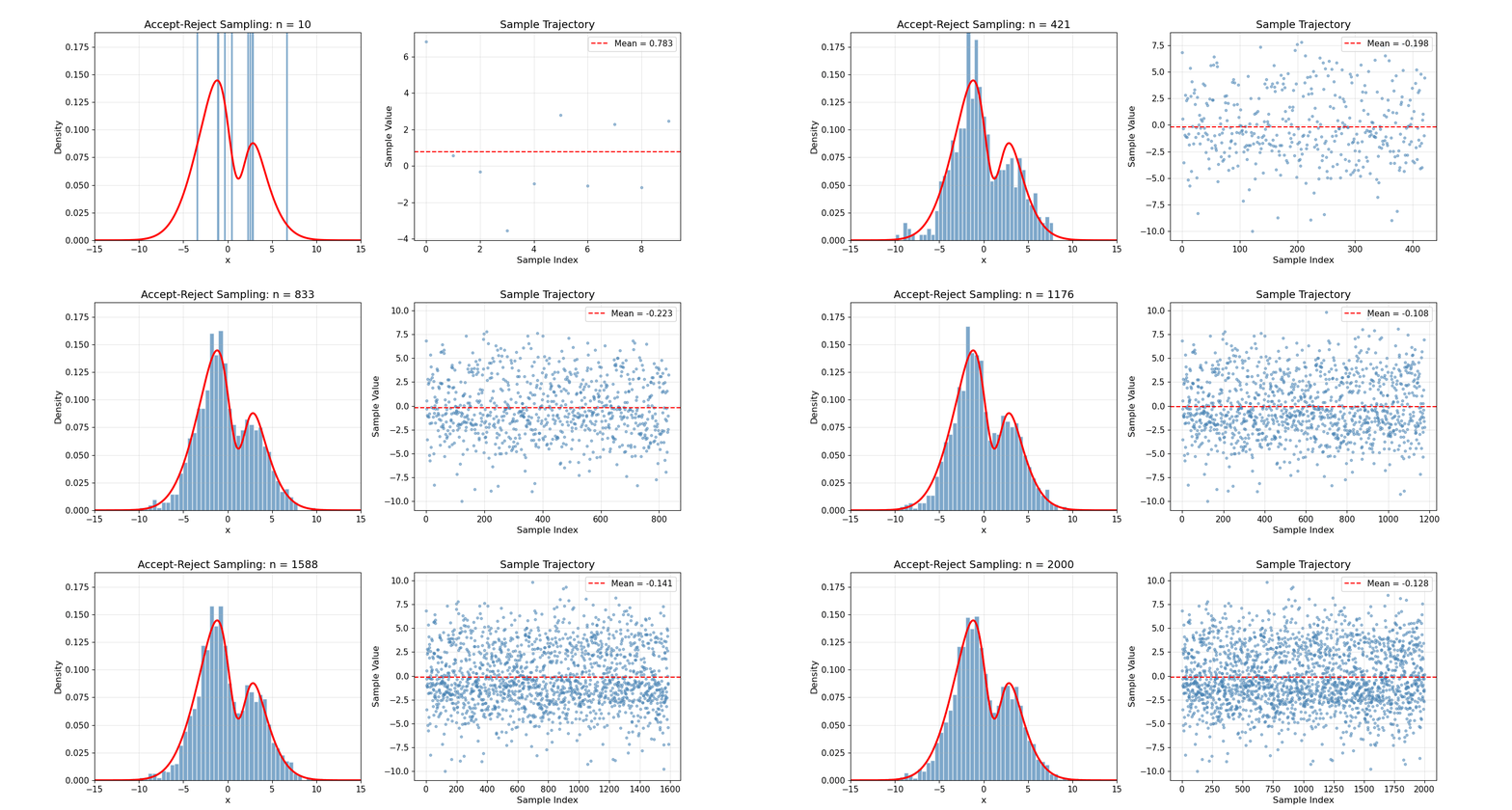
Monte Carlo

Sampling algorithms made inspectable through code, variance comparisons and animation.

A Python implementation of inverse-CDF, accept-reject, stratification, importance sampling and control variates for probability and tail-quantile estimation.

5

methods

Sampling and variance-reduction strategies

PythonNumPySciPyMatplotlibSimulation
The current comparison is educational rather than a large benchmark. Runtime, effective sample size and confidence-interval coverage need systematic reporting.
Evidence case study
07 / Tested public repository

Independent ML systems project · 2026

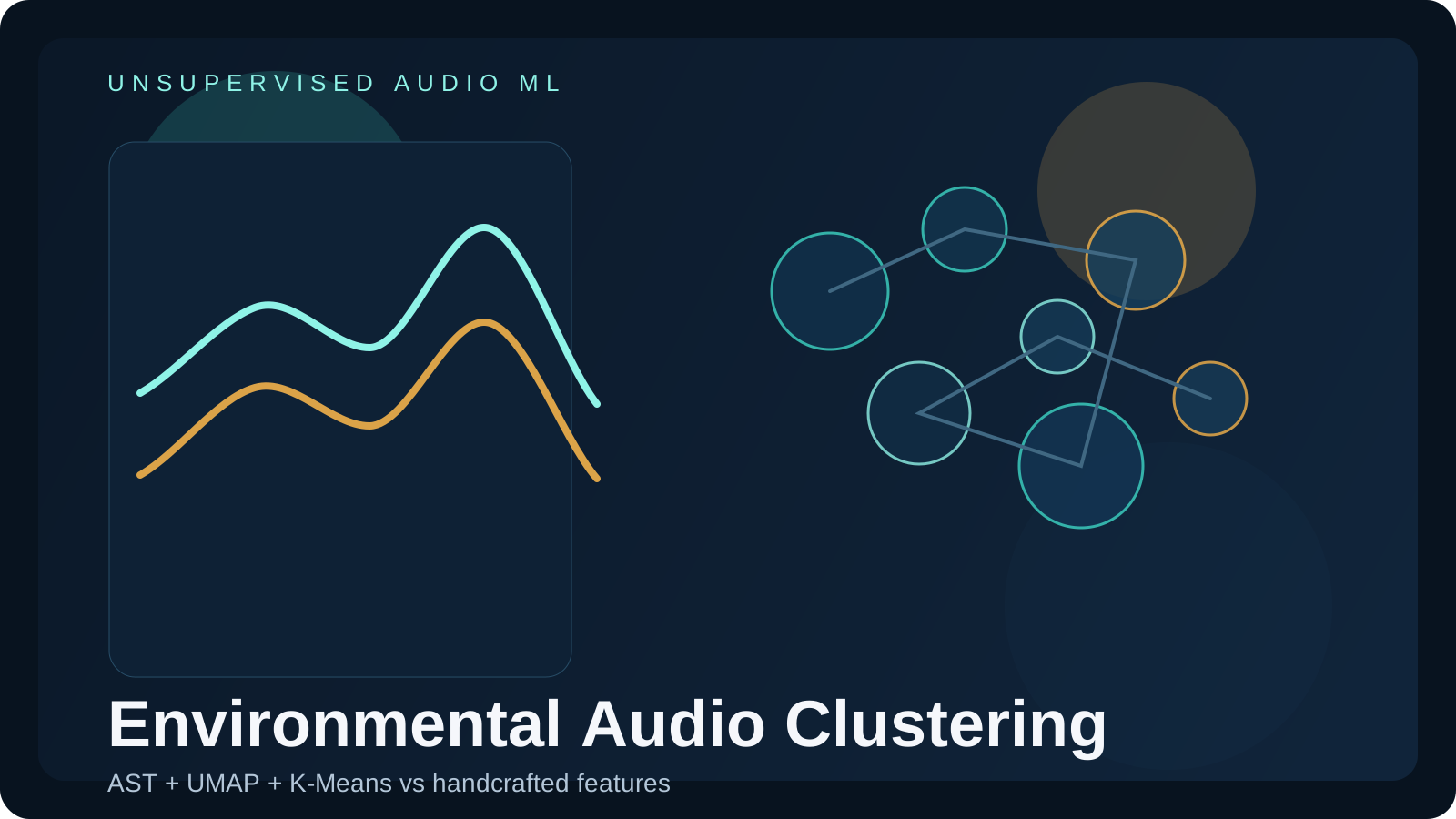
Audio Clustering

One canonical feature contract from waveform generation to served cluster assignment.

A tested audio-clustering package with 170 shared features, synthetic waveforms, Kedro pipelines, API input limits, Docker and CI.

170

features

Canonical train/serve schema

PythonKedroAudio featuresClusteringFastAPI
Synthetic separability does not establish usefulness on a real acoustic corpus; stability and representation quality still require external evaluation.
Evidence case study
08 / Repaired and tested

Signal processing research · 2026

ECG Denoising

The target SNR is measured, and tuning records stay separate from evaluation records.

A repaired signal-processing experiment with correct noise scaling, observed-SNR checks, R-peak helpers and record-level evaluation boundaries.

6/6

tests

Including observed-SNR checks

PythonECGSignal processingSNRTesting
The repaired protocol is not clinical validation and does not yet establish cross-dataset or cross-patient generalization.
Evidence case study
09 / Repaired and tested

Systems and reinforcement learning · 2026

RL C++

RAII, sanitizers and multi-OS CI turn four crashing tests into a defensible implementation.

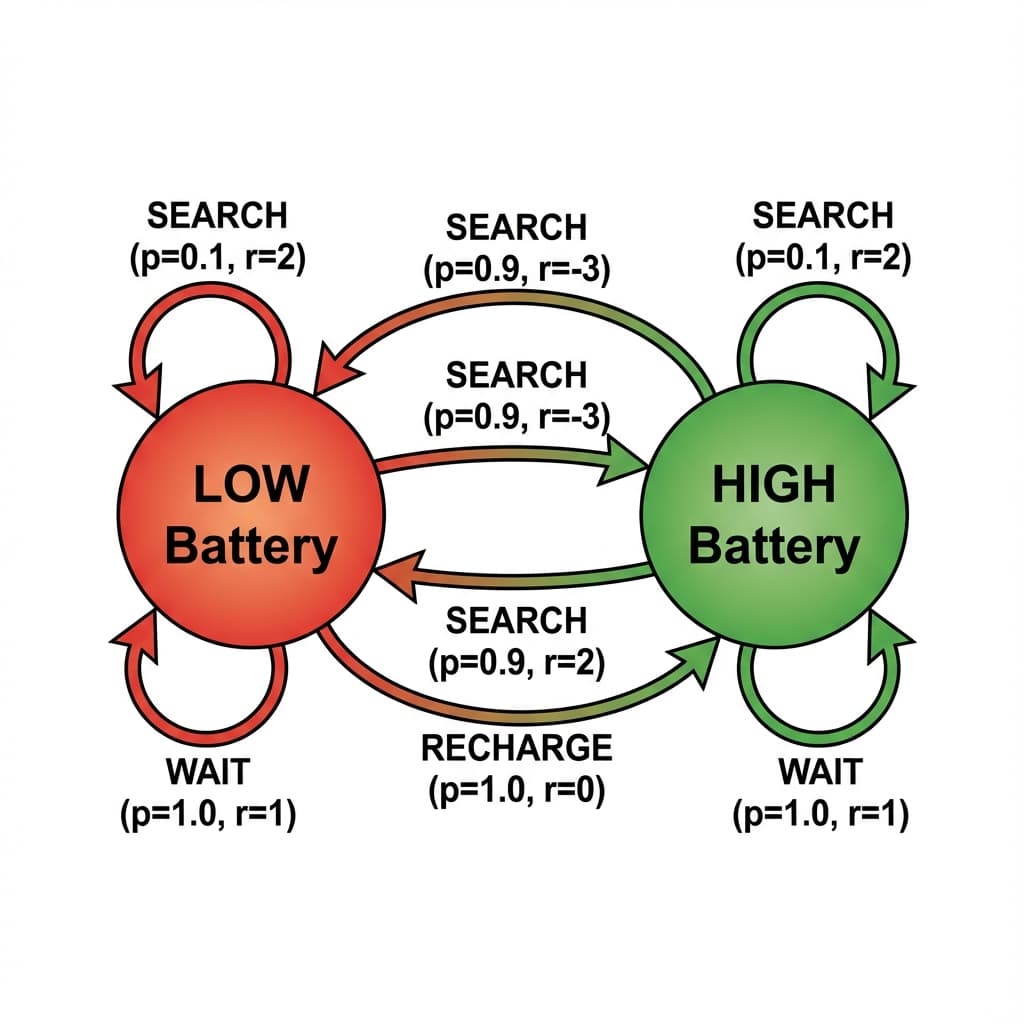
A finite-MDP C++ project repaired with vector and smart-pointer ownership, modern CMake, four passing tests, sanitizers and Linux/Windows CI.

4/4

tests

Debug and Release locally

C++CMakeRAIIMDPSanitizers
The test suite covers small finite MDPs, not large-scale performance or approximate reinforcement learning.
Evidence case study
10 / Public non-clinical simulation

Educational simulation · 2026

Adaptive Dosing

A synthetic control benchmark with a strict non-clinical boundary.

A 20×20 tabular Q-learning environment over a simplified ODE model, evaluated on held-out seeds against a fixed synthetic schedule.

20×20

state grid

Explicit tabular representation

PythonQ-learningODEFastAPIDocker
No patient data, pharmacological calibration, clinical utility or safety validation. It must never recommend a real dose.
Evidence case study
11 / Tested public repository

Independent ML engineering · 2026

Bike Sharing

Time-aware validation and a train-only calendar baseline replace a random split.

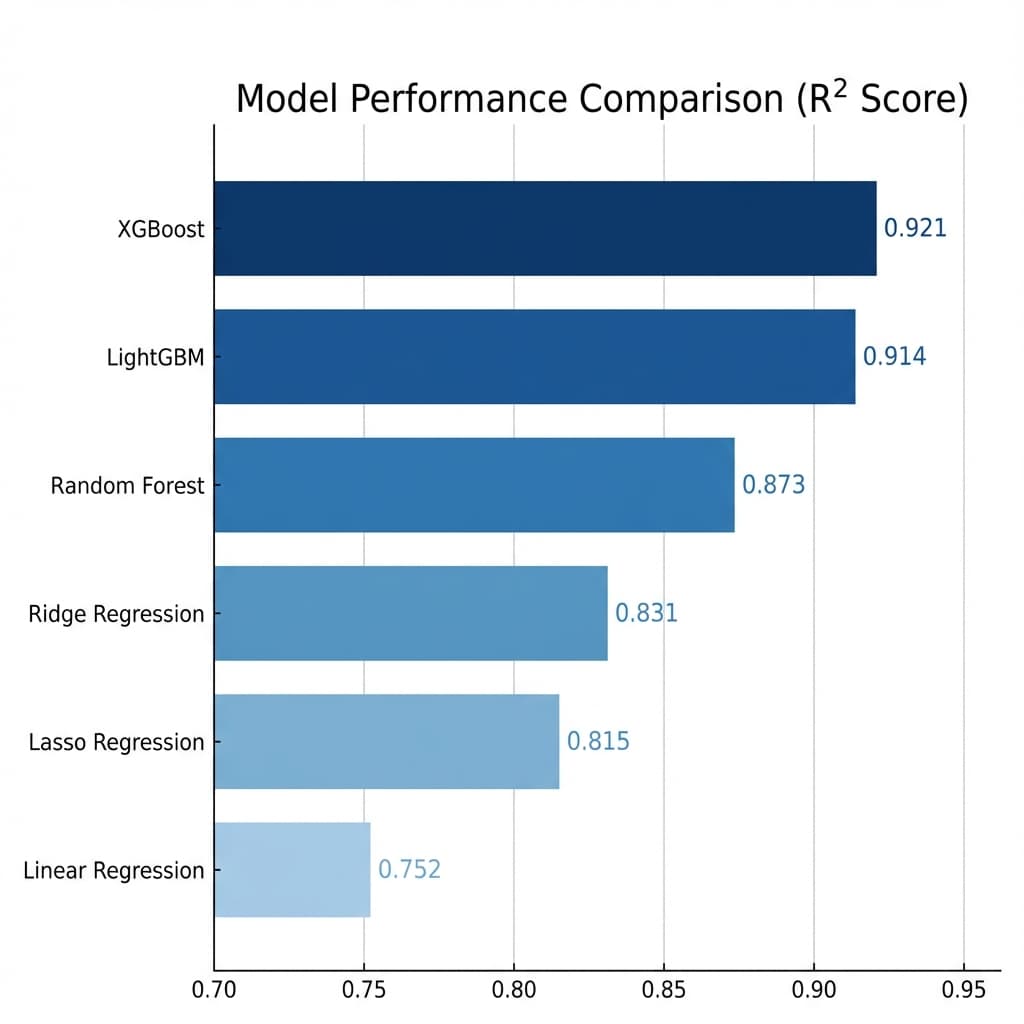
A tested demand-forecasting pipeline with TimeSeriesSplit, a final temporal holdout, complete serialization, FastAPI and a licensed synthetic demo path.

59.26

RMSE

Synthetic final holdout

PythonTimeSeriesSplitRidgeFastAPIDocker
The original CSV was excluded because source and licence were undocumented. Public metrics demonstrate the method, not real-city forecasting performance.
Evidence case study